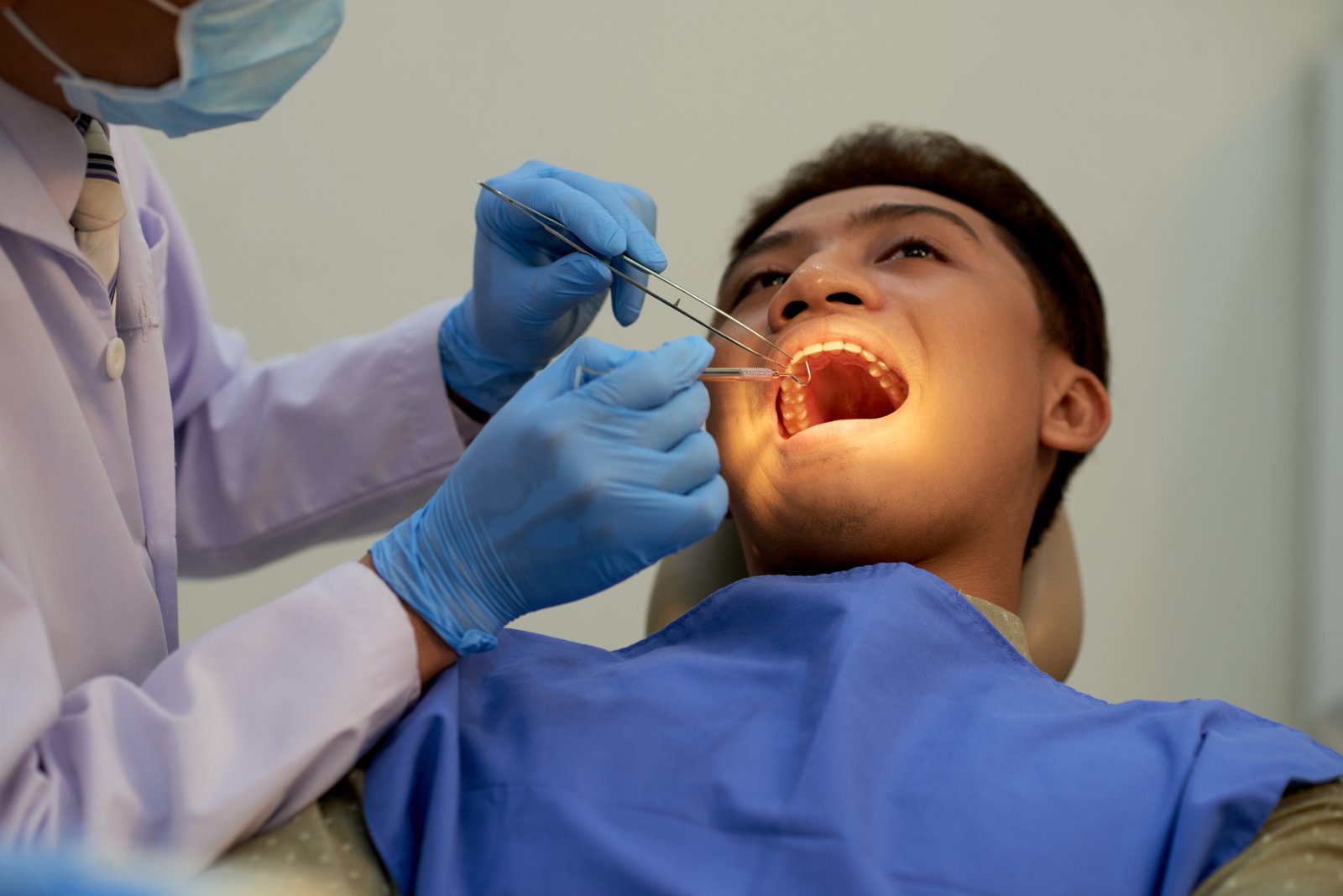
Some dental problems need more than a routine filling or cleaning, that's where Oral Surgery in Ahmedabad comes in, covering procedures for issues affecting teeth, gums, jaw, and the tissue around them.
Tooth extraction, wisdom tooth removal, and impacted tooth removal are the ones that come up most often, usually once regular treatment isn't going to be enough on its own.
At Dr. Bhalla Dental Clinic, Ahmedabad, nothing gets planned until the tooth, surrounding tissue, and overall oral health have actually been looked at. What gets recommended depends on how complex the case is, and whether the natural tooth can realistically be saved.
What Is Oral Surgery?
It's dental treatment that involves an actual surgical step to deal with specific problems in the mouth and teeth, everything from a simple extraction to something more involved for a tooth that's impacted or hard to reach.
These procedures come up for badly damaged teeth, impacted wisdom teeth, certain infections, fractures, or other issues with the surrounding structures. Before anything happens, the dentist examines the area and often orders X-rays or other imaging to understand exactly where the tooth sits.
When Is Tooth Extraction Needed?
Usually, once a tooth can't be predictably saved, or keeping it risks your broader oral health. Every reasonable tooth-saving option typically gets considered first.
Extraction in Ahmedabad tends to come up for:
- Severely decayed teeth that cannot be restored
- Fractured or badly damaged teeth
- Advanced dental infection
- Impacted wisdom teeth
- Severe periodontal damage
- Crowded teeth in selected orthodontic cases
- Teeth that may interfere with planned dental treatment
This isn't a call made from symptoms alone, a proper exam decides it. Sometimes a filling, crown, or root canal ends up saving the tooth instead.
What Is an Impacted Wisdom Tooth?
One that can't erupt properly, whether because of its position, the direction it's growing, or simply not enough room. It can sit partly or fully beneath the gum or bone, and sometimes affects the tooth right next to it.
Pain, swelling, gum infection, trouble opening the mouth, food getting trapped nearby — all fairly common with an impacted wisdom tooth. Some stay symptom-free for a while but still need watching, given where they sit and what could develop later.
When Is Wisdom Tooth Removal Recommended?
Generally, once the tooth's causing repeated pain, infection, damage, or other real trouble. Not every wisdom tooth needs to come out, it comes down to position, symptoms, and the actual risk involved.
Extraction in Ahmedabad tends to get considered when there's:
- Repeated gum infection around the tooth
- Significant pain or swelling
- Dental decay that cannot be treated effectively
- Damage to the neighbouring tooth
- Cyst or other pathology associated with the tooth
- Lack of space causing problematic eruption
- A position that makes proper cleaning difficult
An exam, backed by imaging, is what actually confirms whether removal makes sense.
Wisdom Tooth Removal Procedure
The process runs through examining, numbing, and carefully removing the tooth while keeping surrounding tissue safe. Simple for a fully erupted tooth; more involved once impaction's part of the picture.
Step 1: Examination and Imaging
First, the dentist looks at the wisdom tooth and everything around it.
X-rays usually come into play here — showing the tooth's position, its roots, and how it relates to nearby structures. This matters even more before removing something impacted.
Step 2: Local Anaesthesia
Numbing the area is what keeps this comfortable throughout.
You stay awake for a routine extraction, but the area needs to be fully numb before anything starts.
Step 3: Tooth Removal
A fully erupted tooth often comes out directly. An impacted one usually needs surgical extraction instead.
For a genuinely tricky wisdom tooth, the dentist may need to work through the gum, and in some cases remove a small amount of bone or split the tooth into sections to get it out safely.
Step 4: Cleaning and Suturing
Once the tooth's out, the area gets cleaned and checked over before wrapping up.
Stitches go in when needed, especially after a surgical extraction. From there, the dentist walks you through protecting the area while it heals.
Step 5: Post-Extraction Care
Sticking to aftercare instructions is really what keeps complications down and healing on track.
Expect guidance on food, oral hygiene, medication, activity level, and when to come back for a follow-up.
What Should You Eat After Tooth Extraction?
Soft foods that don't need much chewing tend to feel a lot more comfortable early on. Just as important: not disturbing the extraction site while you eat or drink.
Yoghurt, mashed foods, smoothies without a straw, other easy-to-chew meals — all reasonable options depending on what your dentist suggests. Very hot, hard, or crunchy foods, and anything that might irritate the area, are worth skipping at first.
Oral Surgery Recovery
How recovery goes depends on the type of procedure, how complex the extraction was, and how you personally heal. Simple extractions tend to bounce back faster; surgical wisdom tooth removal often needs more time.
A little swelling, soreness, and jaw stiffness is normal after wisdom tooth surgery. Keep your mouth clean, skip smoking or tobacco, and stick to whatever aftercare steps you were given.
Call your dentist if the pain gets worse, swelling doesn't go down, you get a fever, bleeding won't stop, or anything just feels wrong.
Why Choose Dr. Bhalla Dental Clinic for Oral Surgery?
Diagnosis and planning make or break this kind of treatment. Dr. Bhalla Dental Clinic in Ahmedabad builds each plan around what's actually going on with your tooth, not a generic protocol.
Extraction, wisdom tooth removal, an impacted tooth that needs handling, whatever the situation, a real evaluation is what points you toward the safest way through it.
Book an Oral Surgery Consultation in Ahmedabad
Catching a problem tooth early makes the difference between a straightforward fix and a bigger headache down the line. Pain, swelling, damage, or an impacted tooth shouldn't sit unaddressed, see a dentist before it gets harder to manage.
Book a consultation with Dr. Bhalla Dental Clinic in Ahmedabad, and walk out with an exam done and a plan that's actually yours.
