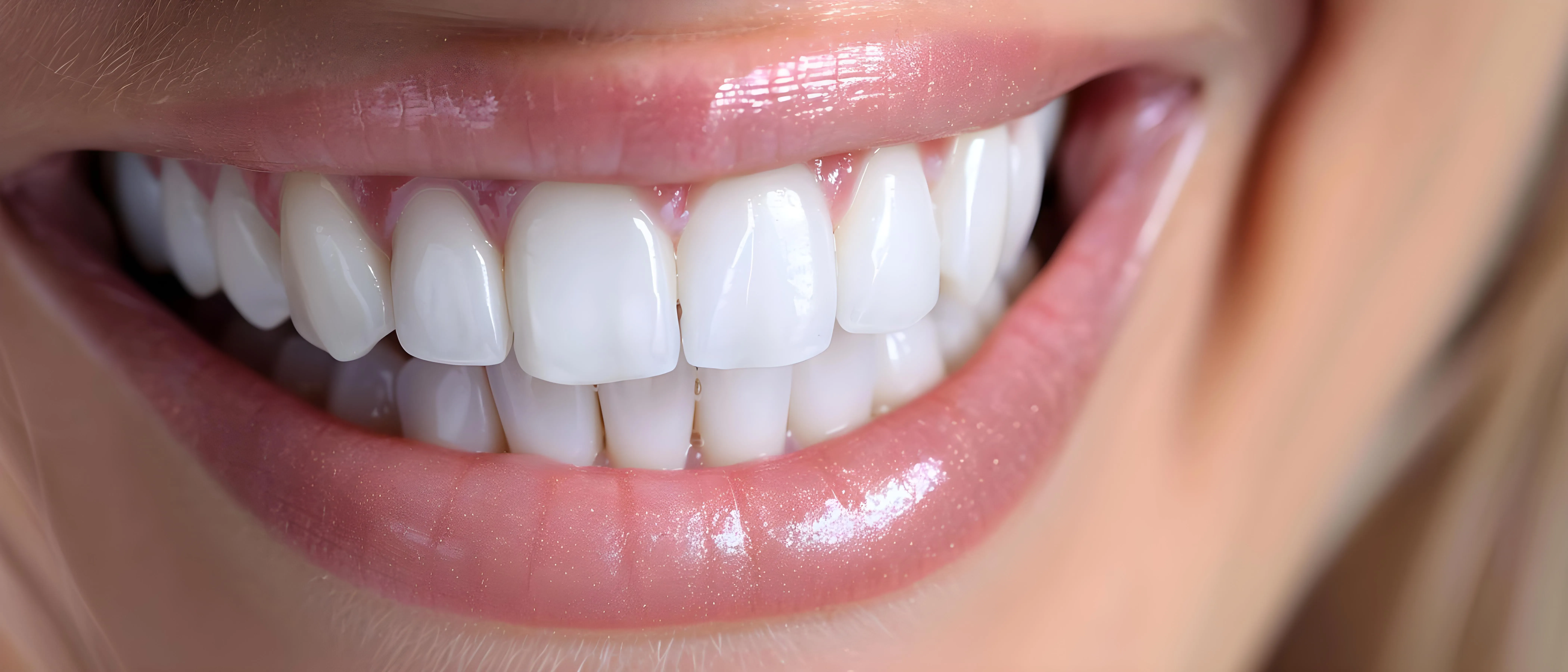
Dental veneers are thin, custom-made shells placed over the front of selected teeth to improve how they look. Dental veneers in Ahmedabad can help with things like discolouration, small chips, uneven tooth shape, and minor gaps, once a dentist's confirmed they're actually a good fit for your situation.
Really, veneers are a cosmetic treatment first and foremost, aimed at improving the visible appearance of teeth rather than fixing underlying dental issues. A dentist will look over your teeth, gums, and bite before recommending them, just to make sure the treatment actually lines up with your dental condition and what you're hoping to achieve cosmetically.
What Are Dental Veneers?
At their core, veneers are custom shells bonded to the front of your teeth to change their colour, shape, or general appearance.
They tend to help with stains, minor chips, uneven shape, and certain small gaps, and since each one's made to fit the individual tooth, they can be planned around your specific smile and the teeth around it. Worth knowing though, veneers don't treat active decay or gum disease, those need addressing first before cosmetic work even enters the picture.
Who Can Benefit From Dental Veneers?
If your teeth are otherwise healthy but there's a specific cosmetic issue bothering you, veneers are usually worth considering, they're not really meant for underlying dental problems though.
Where they tend to help: teeth that whitening hasn't worked well on, small chips or surface imperfections, uneven tooth shape, minor gaps, certain cosmetic irregularities, and teeth that look worn or slightly disproportionate. Your dentist will examine both teeth and gums and assess your bite before recommending anything, and it's worth knowing that people who grind their teeth heavily, or who don't have enough tooth structure to work with, may need a different treatment path entirely.
Types of Dental Veneers
Porcelain and composite are the two options that come up most, and they're genuinely different in how they perform.
Which one actually fits depends on your teeth, what you're hoping for cosmetically, your bite, and how long-term you want the result to be. Your dentist can walk through the upside and the limitations of each before anything gets decided.
Porcelain veneers tend to look natural and hold up better against staining than some other cosmetic materials. Since they're custom-made for the treated teeth, the shade can be matched carefully to blend with what's around it, and porcelain tends to make sense when durability alongside a natural look really matters to the patient.
Composite veneers work a bit differently, sometimes applied directly to the tooth with less lab work involved. They can suit smaller cosmetic fixes and, in some cases, need less tooth preparation upfront. That said, composite tends to stain and wear faster than porcelain over time, so the dentist really weighs individual needs before picking one material over the other.
Dental Veneer Procedure
Treatment starts with a proper consultation, not straight into prepping teeth. The dentist first checks whether veneers actually make sense for you and talks through what smile you're going for.
The process itself tends to unfold across a few stages. It opens with a smile assessment, where your dentist looks at teeth, gums, bite, tooth colour, and your cosmetic goals together, partly to catch anything that needs treating before veneers even come into play, and partly to weigh the shape and proportion of your teeth for a result that ends up looking balanced rather than bolted on.
From there comes treatment planning. The shape, size, and shade of the proposed veneers get worked out around your smile and facial features, sometimes using photos, impressions, or digital scans depending on the case. Real planning here is really what keeps veneers from looking obviously fake later on.
Tooth preparation follows, if it's actually needed. A small amount of enamel might get removed to make room for the veneer, and how much really depends on the tooth and the veneer design involved. Since enamel doesn't grow back, this step stays as conservative as the case allows.
Next is the impression or digital scan, taken so the veneers can be fabricated accurately. Whether it's a physical impression or a digital scan, this captures the exact size, shape, and position needed, and the lab uses it to build something that actually fits.
Finally, veneer placement. The dentist checks fit and appearance before bonding the veneers to the teeth. Once everything looks right, fit, shape, shade, bonding happens, and your dentist checks the bite afterward and makes small adjustments if anything's off.
Are Veneers Permanent?
Veneers count as a long-term cosmetic restoration, but "permanent" isn't quite the right word for them.
How long they actually last varies with material, oral hygiene, bite, teeth grinding, and everyday habits. With proper care and regular checkups, they can stay functional for years, though replacement or repair eventually becomes part of the picture for most people.
Do Veneers Damage Teeth?
Since treatment can involve removing a small amount of enamel, it's fair to say veneers aren't entirely reversible.
Good planning helps protect what's left of the natural tooth structure, which is why your dentist should properly assess enamel, tooth position, gum health, and bite before moving ahead. Not every cosmetic concern actually needs veneers either, sometimes a different treatment ends up being the better fit.
Veneers vs Teeth Whitening
Veneers can change both appearance and shape, while whitening really just shifts the colour of your natural teeth.
| Feature | Veneers | Teeth Whitening |
|---|---|---|
| Main purpose | Colour + shape improvement | Colour improvement |
| Chips | Can address selected cases | No |
| Tooth shape | Can change appearance | No |
| Gaps | Can mask selected minor gaps | No |
| Tooth preparation | May be required | Usually no |
If colour's really the only concern, whitening's often the simpler route. Veneers make more sense once shape, minor chips, or other cosmetic issues need addressing alongside colour.
Ready to Explore Veneers for Your Smile?
If any of this sounds like what you've been considering, honestly the best next step is just getting in front of a dentist who can look at your teeth properly rather than guessing from a screen. Every mouth's a little different, what works well for one person's chips or gaps might not be the right call for someone else, and that's really something only a proper consultation can sort out.
Book a visit, bring your questions, and let the dentist walk you through whether veneers actually make sense for your smile, or whether something else might serve you better.
