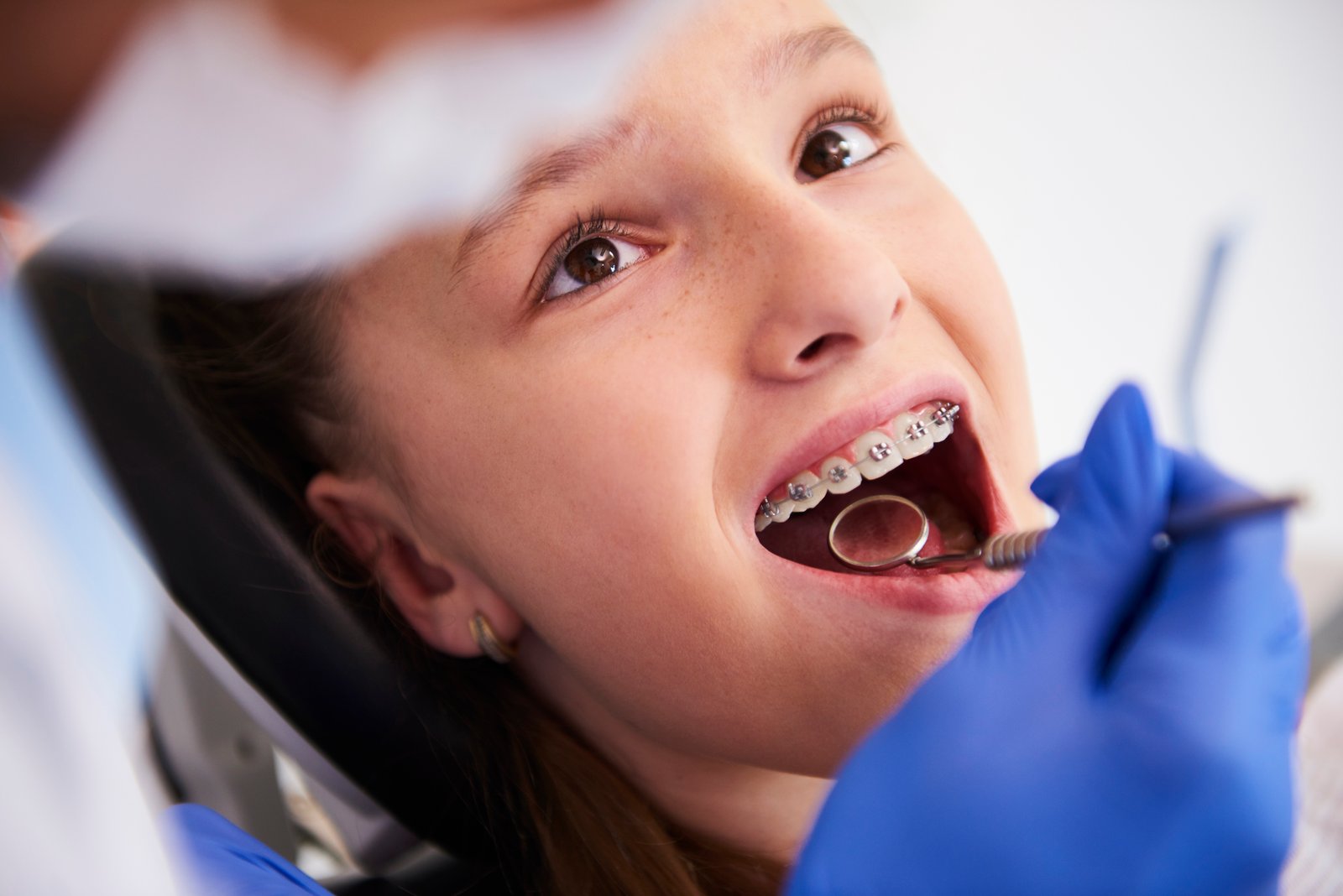
Crooked teeth, crowding, gaps, and bite problems, Orthodontic Treatment in Ahmedabad covers all of it, using metal braces, ceramic braces, lingual braces, or clear aligners depending on what genuinely fits the patient's case.
It's not purely about looks either. Teeth that sit properly support a healthier bite and make brushing and flossing noticeably easier day-to-day. At Dr. Bhalla Dental Clinic, Ahmedabad, treatment gets built around the patient's age, dental condition, bite, and what they're actually hoping to get out of it.
What Is Orthodontic Treatment?
It's the gradual process of shifting teeth into better positions to improve alignment and bite, achieved through controlled forces from braces or other appliances over whatever timeframe the case actually calls for.
This covers crooked teeth, crowding, gaps, and several forms of malocclusion. What the plan ends up looking like depends on where the teeth currently sit, the jaw relationship, oral health, and how much movement is genuinely needed.
Types of Dental Braces
Several brace types exist, each built for different alignment problems and different patient preferences. Which one gets picked comes down to how complex the case is, appearance, comfort, upkeep, and budget.
Metal Braces
The traditional route, and still the most widely used way to straighten teeth.
Brackets and wires do the actual work here, pulling teeth into position bit by bit. Kids, teens, adults, this option genuinely handles most orthodontic situations regardless of age.
Ceramic Braces
These swap in tooth-coloured or less noticeable brackets for a more discreet look overall.
The underlying mechanics are the same as traditional braces, it's really just favoured by anyone who'd rather the appliance not stand out as much visually.
Lingual Braces
These attach to the back of the teeth, keeping them hidden from the front entirely.
Placement here is fairly specialised, and this option isn't always suitable, it really depends on the specifics of the case.
Clear Aligners
A series of removable, transparent trays that shift teeth gradually, when the case is a genuinely good fit for them.
They come out to eat or brush, though the treatment only actually works if they're worn as consistently as the orthodontist recommends.
How Does Braces Treatment Work?
Braces shift teeth by applying steady, controlled pressure over time, and the bone and tissue underneath slowly respond, letting the teeth settle into where they're meant to end up.
Coming in for regular appointments is really how the orthodontist stays on top of things, checking progress and adjusting wires, brackets, or whatever else needs tweaking as treatment moves along. None of this gets rushed, teeth and the tissue surrounding them genuinely need time to adapt safely.
Orthodontic Treatment Process
There's a natural arc to how this unfolds, starting with an assessment, moving through appliance placement and ongoing monitoring, and eventually settling into retention. Each plan gets shaped around the individual patient, their teeth, bite, and what they're actually trying to achieve.
Step 1: Consultation and Examination
This is where it all begins, a look at the teeth, the bite, and how healthy things are in the mouth overall, with the orthodontist checking for crowding, spacing, and any bite issues that might need addressing before anything gets recommended.
Step 2: Records and Treatment Planning
Photos, X-rays, and scans usually come next.
They give the orthodontist a much clearer read on where the teeth actually sit, which is what the whole treatment approach ends up getting built around.
Step 3: Braces or Aligner Placement
Once the plan's settled, the chosen appliance goes on, brackets and wires for braces, or a set of custom trays if aligners are the route being taken, and from here the patient's actively wearing whatever's been fitted.
Step 4: Regular Monitoring
Progress gets checked at follow-up visits. Adjustments happen as needed, and how frequently these appointments come around really just depends on the appliance and the plan itself.
Step 5: Retention
Retainers keep teeth in their corrected position once active treatment wraps up.
Teeth naturally drift over time on their own, so following the retention instructions closely really is part of getting results that actually last.
Braces for Children and Adults
Both kids and adults can genuinely benefit from orthodontic treatment, provided their teeth and gums are actually suited for it. There's no single age that fits everyone here.
For children, an assessment can catch developing alignment or bite issues early on, before they become more complicated to fix. Adults are just as eligible for braces or clear aligners, as long as their teeth and gums are healthy enough to handle the process.
Which appliance actually fits comes down to dental condition, how complex treatment is, lifestyle, and personal preference all together.
Braces vs Clear Aligners
Both straighten teeth, but where they actually differ is appearance, whether they're removable, and how well each handles certain tooth movements. Neither one wins universally, it really comes down to the individual case in front of the orthodontist.
| Feature | Dental Braces | Clear Aligners |
|---|---|---|
| Visibility | Depends on the type | Generally less noticeable |
| Removable | Usually no | Yes |
| Eating | Some food restrictions | Removed while eating |
| Cleaning | Requires careful cleaning around brackets | Trays can be removed for brushing |
| Suitability | Can treat a broad range of cases | Depends on treatment complexity |
| Compliance | Less dependent on patient wear time | Requires consistent wear |
How to Care for Teeth During Orthodontic Treatment?
Good oral hygiene matters more than usual once braces are on, since food and plaque tend to collect around the appliance more easily. Careful brushing, cleaning between teeth, and regular checkups all genuinely help protect things through treatment.
Anyone with fixed braces should follow their orthodontist's cleaning instructions closely and steer clear of hard or sticky foods that could damage brackets or wires along the way.
Book an Orthodontic Consultation
Catching alignment or bite issues early genuinely opens up more treatment options down the line. If Dental Braces Treatment in Ahmedabad is something you're considering, for yourself or your child, a consultation lays out the options, the timeline, and the cost involved clearly.
Book a consultation with Dr. Bhalla Dental Clinic in Ahmedabad to talk through your teeth-straightening and orthodontic needs.
FAQs
There's really no one-size-fits-all age here. Timing comes down to an assessment of tooth development and bite specifically.
They can, provided their teeth and gums are healthy enough for it. Metal, ceramic, and clear aligners are all fair game depending on what the case calls for.
More pressure and tightness than actual pain, typically, and that tends to be strongest right after placement or an adjustment before settling down as the mouth gets used to it.
Varies quite a bit with the alignment issue, bite problem, and overall complexity involved. The orthodontist can give a real timeline once they've evaluated the case properly.
Honestly, there's no single winner here, it hinges on your dental condition, what you're hoping for, how much appearance matters to you, and your budget. Getting assessed properly is what actually narrows it down.
Neither wins outright, honestly. Aligners suit a lot of cases well, while braces often handle more complex movements better overall.
Often, yes, when orthodontic treatment turns out to be the right fit. The plan really depends on what's causing it and how severe it actually is.
Depends on the brace type, treatment complexity, and expected duration involved. A consultation gets you a real, individual estimate rather than a guess.
