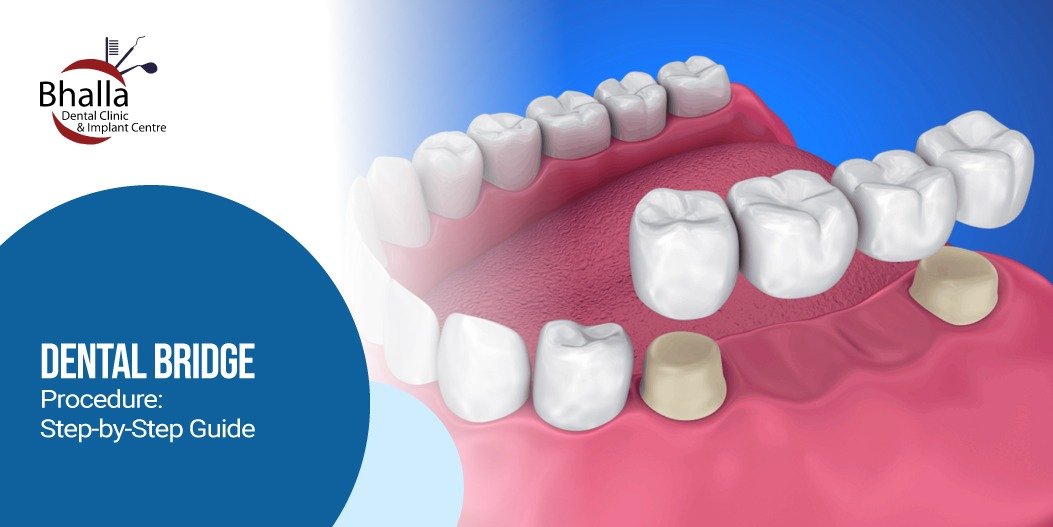
Missing teeth impact not only your smile but also how you eat and speak. Today, most folks opt for Dental Bridge Treatment in Ahmedabad for a convenient and systematic replacement of one or multiple missing teeth. A dental bridge replaces the gap with an artificial tooth supported by natural teeth or implants on both sides. This article outlines the dental bridge technique in a few simple stages to help you understand it.
What is a Dental Bridge?
The fixed dental procedure to replace missing teeth is called a dental bridge. It hangs and fills the gap that involves one or more missing teeth. The bridge usually includes:
Artificial teeth (known as pontics)
Abutments are the teeth next to the tooth being replaced.
Those supporting teeth can either be your natural teeth or dental implants. After the procedure, the bridge is held in place, and neither is removable like dentures.
Why is a Dental Bridge Needed?
Over time, a missing tooth can lead to some issues. The adjacent teeth may shift position, and the alignment issues can affect your bite. It can also cause chewing difficulty.
A dental bridge helps to
Regain your ability to chew and speak properly
Keeping your face in shape
Prevent nearby teeth from moving
Improve overall oral function
Types of Dental Bridges
Dental bridges come in a variety of styles, and your dentist will recommend the best one for you based on your specific needs.
Traditional Dental Bridge
It is the most common type. This method uses crowns on either side of the gap to hold the crown in place.
Cantilever Bridge
Applied in situations where a single tooth supports the adjoining gap.
Maryland Bridge
The procedure does not use crowns but instead uses a metal or porcelain structure affixed to the back of adjacent teeth.
Implant-Supported Bridge
This type utilises dental implants in place of natural teeth for stability.
Step-by-Step Dental Bridge Procedure
Knowing how it works, however, the whole thing is less confusing. Here is an explanation of how dental bridge treatment in Ahmedabad, India, is normally done.
Step 1: Initial Consultation
It often starts with a dental examination. The dentist shines a light on your teeth and gums, possibly applying an X-ray. This procedure is useful to evaluate your oral health and determine whether a dental bridge is appropriate or not.
Step 2: Tooth Preparation
In preparation for a traditional bridge, the teeth surrounding the void are shaped. In this procedure, less enamel is trimmed, so crowns can be placed on top.
The crowns will anchor the bridge; this phase is critical.
Step 3: Taking Impressions
So, before placing the teeth, your dentist makes an impression (mould) of your teeth. This impression is returned to a dental lab, where your personalised bridge is created.
The bridge is designed to blend in perfectly with your natural tooth shape and colour.
Step 4: Temporary Bridge Placement
In the interim, a temporary bridge is established until the permanent bridge is completed. It preserves the prepared teeth and helps restore normal function.
Step 5: Cementing the Implant Bridge in Place
The temporary bridge is taken down when the permanent one becomes available. Check the fit with your dentist and adjust as necessary.
The bridge is then cemented in place once it has been properly fitted.
Step 6: Final adjustment & follow-up
Your dentist ensures that your bite is right and comfortable. You might be called back for a follow-up check to make sure everything is functioning correctly.
How Long Does the Procedure Take?
It often takes 2-3 dental visits. The entire procedure might take weeks, depending on the filler bridge and the unique situation.
Dental Bridge Care Tips
Maintaining your dental bridge for an optimal lifetime. To avoid complications, regular dental hygiene is essential.
Below are some easy care tips:
Brush your teeth twice a day.
Clean behind the bridge with dental floss or specially adapted threaders.
Reduce the eating of hard or sticky foods.
Regular check-ups by the dentist
Your dental bridge can provide years of use when cared for correctly.
Dental Bridges vs Other Options
Other alternatives for replacing lost teeth include dentures and dental implants.
Dentures are removable
Implants are more permanent but need surgery.
Bridges stay put and may not always require surgery.
There are pros and cons to each option. Which option is right for you depends on your condition and needs.
Conclusion
Dental bridges are a simple and reliable method of replacing missing teeth. It is a multi-stage procedure that includes consultation and placement, with each step crucial to ensuring proper fit and performance. One of the most preferred dental bridge treatments in Ahmedabad is Dr Bhalla Dental Clinic, because it provides a fixed solution to restore normal chewing and speaking.
Realising how the process works makes you feel more at ease and secure before initiating the medication. You can make the bridge last properly by following excellent oral care and regular dental check-ups.